
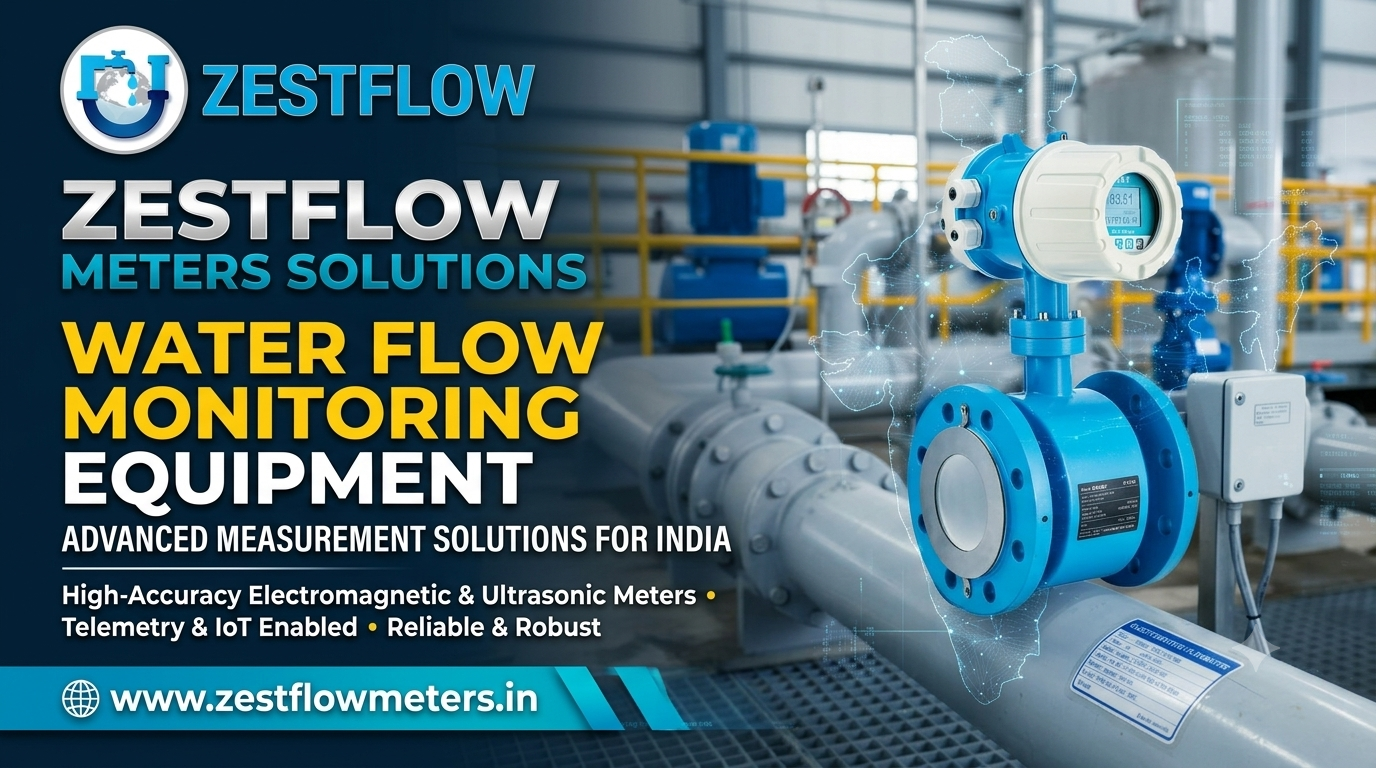
Industrial Flow Measurement Solutions for Accurate Process Monitoring
Accurate flow measurement is essential for industries that depend on the controlled movement of water, chemicals, oils, and other liquids through pipelines. From manufacturing plants and water treatment facilities to pharmaceutical units and chemical processing industries, monitoring fluid flow helps maintain product quality, improve operational efficiency, and reduce resource wastage.
Modern industrial flow measurement solutions help businesses measure, monitor, and manage fluid movement with greater accuracy. These solutions use advanced instruments and digital technologies to provide reliable flow readings, support process automation, and improve overall plant performance.
Zestflow Meters Solutions offers flow measurement and monitoring instruments designed for different industrial requirements. By selecting suitable flow meters and monitoring systems, industries can improve their measurement processes and make better operational decisions.
What Are Industrial Flow Measurement Solutions?
Industrial flow measurement solutions refer to instruments, technologies, and systems used to measure the movement of liquids, gases, or steam through pipelines and industrial processes.
These solutions help operators understand how much fluid is passing through a particular pipeline within a specific period. Depending on the application, flow can be measured in units such as litres per minute, cubic metres per hour, or other standard measurement units.
A typical industrial flow measurement system may include:
Flow meters for measuring fluid movement
Sensors for detecting flow conditions
Digital displays for showing measurement readings
Transmitters for sending measurement signals
Controllers and monitoring systems for process automation
Communication interfaces for connecting instruments with control systems
The selection of equipment depends on the type of fluid, pipeline size, operating pressure, temperature, required accuracy, and installation conditions.
Why Is Flow Measurement Important in Industries?
Flow measurement plays an important role in maintaining stable industrial operations. Without accurate flow data, businesses may face difficulties controlling processes, monitoring consumption, and identifying unusual changes in pipeline performance.
Here are some major reasons why industries need reliable flow measurement systems.
1. Better Process Control
Industrial processes often require a specific amount of liquid or gas to maintain consistent production conditions. Flow measurement instruments help operators monitor fluid movement and maintain the required flow rates.
This is especially important in chemical processing, food manufacturing, pharmaceutical production, and other industries where process consistency matters.
2. Improved Water Management
Water is an important resource for manufacturing, cooling, cleaning, and processing operations. Flow meters help industries monitor water consumption, identify unnecessary usage, and manage distribution more effectively.
3. Reduced Operational Costs
Incorrect flow readings can result in excessive consumption, production losses, and inefficient resource management. Accurate measurement helps businesses understand their usage patterns and identify opportunities to reduce operating expenses.
4. Support for Automation
Modern digital flow meters can provide output signals to PLC, SCADA, BMS, and other industrial monitoring systems, depending on the instrument’s available communication options.
This allows businesses to integrate flow measurement into automated processes and monitor important operating parameters.
5. Early Detection of Flow Problems
Unexpected changes in flow readings may indicate leakage, blockage, pump problems, or other process issues. Regular monitoring helps operators identify unusual conditions and investigate them before they affect plant performance.
Important Features of Modern Flow Measurement Systems
When choosing industrial flow measurement equipment, businesses should consider the technical features required for their processes.
Some important features include:
1. Measurement Accuracy: The instrument should provide readings within the accuracy range required by the application.
2. Digital Display: A digital display helps operators view flow rates and total consumption conveniently.
3. Output Signals: Depending on the model, output options may include 4–20 mA, pulse, relay, or other signal types.
4. Communication Compatibility: Some flow meters support communication protocols such as Modbus or other industrial interfaces. Compatibility should be checked before integration.
5. Material Compatibility: Wetted materials should be suitable for the fluid being measured, including its chemical properties and temperature.
6. Pressure and Temperature Rating: The instrument must operate safely within the system’s pressure and temperature limits.
7. Installation Flexibility: Pipeline layout, available space, straight pipe requirements, and maintenance access should be considered before installation.
Applications of Industrial Flow Measurement Solutions
Flow measurement instruments are used across a wide range of industries. Their purpose may vary from monitoring water consumption to controlling the flow of process liquids.
Water and Wastewater Treatment Plants
Water treatment facilities use flow meters to monitor incoming water, treatment stages, filtered water, and wastewater discharge. Accurate flow data supports process monitoring and helps operators manage treatment operations.
Chemical and Pharmaceutical Industries
Chemical and pharmaceutical processes often require controlled movement of liquids between tanks, reactors, and pipelines. Suitable flow meters help monitor fluid transfer and support consistent operating conditions.
Food and Beverage Manufacturing
Food and beverage plants use flow measurement instruments for water, ingredients, cleaning processes, and liquid product transfer. Material compatibility and hygienic requirements are important when selecting equipment for these applications.
Manufacturing and Processing Plants
Manufacturing facilities use flow meters to monitor cooling water, process water, lubricants, and other industrial liquids. Reliable measurements help improve resource management and process control.
HVAC and Building Management Systems
Commercial buildings and industrial facilities may use flow meters to monitor chilled water, hot water, and other circulating fluids. Compatible instruments can be integrated with Building Management Systems (BMS) for centralised monitoring.
Irrigation and Water Distribution
Agricultural and water distribution projects use flow measurement instruments to monitor water movement through supply pipelines. These systems can help track consumption and support more efficient water distribution.
How to Select the Right Industrial Flow Meter
Choosing the right flow meter requires more than comparing product prices or specifications. The instrument must match the actual operating conditions.
Consider the following factors before purchasing:
Type of Fluid: Identify whether the application involves clean water, wastewater, chemicals, oil, gas, or another medium.
Pipe Size: Check the pipeline diameter and connection requirements.
Flow Range: Determine the minimum, normal, and maximum flow rates.
Operating Pressure: Confirm that the instrument can handle the system pressure.
Temperature: Check the operating temperature of the fluid and surrounding environment.
Accuracy Requirements: Select a meter with suitable measurement performance for the application.
Installation Conditions: Consider available space, pipe orientation, straight pipe lengths, and accessibility.
Output and Communication: Verify whether the meter needs to connect with a PLC, SCADA, BMS, or data logger.
Maintenance Requirements: Understand cleaning, calibration, inspection, and servicing needs.
Budget and Long-Term Value: Compare the total cost of ownership, including installation and maintenance.
Consulting a flow measurement specialist can help identify a suitable instrument for the process.
Benefits of Choosing the Right Flow Measurement System
A properly selected and installed flow meter can provide several operational advantages.
Improved Measurement: Helps monitor fluid movement with suitable accuracy.
Better Resource Management: Supports monitoring of water and liquid consumption.
Process Consistency: Helps maintain required flow conditions during production.
Automation Support: Enables integration with compatible monitoring and control systems.
Operational Visibility: Provides useful data for understanding system performance.
Leakage and Fault Investigation: Helps identify unusual flow patterns that may require inspection.
Improved Planning: Historical flow data can support maintenance and resource planning.
The actual benefits depend on the selected technology, installation quality, and operating conditions.
Why Choose Zestflow Meters Solutions?
Zestflow Meters Solutions focuses on flow measurement and monitoring requirements for industrial and water management applications.
Different industries have different measurement needs. A water treatment plant may require an electromagnetic flow meter, while another application may benefit from ultrasonic measurement or a rotameter. Selecting the right technology is therefore important.
Zestflow Meters Solutions provides access to flow measurement instruments and related monitoring solutions for applications such as:
Industrial water flow measurement
Electromagnetic flow measurement
Ultrasonic flow monitoring
Digital flow measurement
Turbine flow measurement
Rotameter applications
Water management and monitoring systems
Businesses should evaluate the required specifications, operating conditions, and integration needs before finalising any instrument.
The Future of Industrial Flow Measurement
Industrial flow measurement is increasingly connected with digital monitoring and automation technologies. Modern facilities are looking for ways to collect measurement data, improve process visibility, and manage resources more efficiently.
Smart flow meters and connected monitoring systems can support real-time data collection and remote monitoring. When integrated with suitable software and communication infrastructure, they can help operators review flow trends, compare consumption, and identify unusual operating conditions.
The growing use of IoT-based monitoring, digital instruments, and automated control systems is expected to make flow measurement an increasingly important part of industrial resource management.
However, successful implementation still depends on selecting compatible instruments, configuring the system correctly, and maintaining measurement equipment regularly.
Frequently Asked Questions (FAQs)
1. What are industrial flow measurement solutions?
Industrial flow measurement solutions include instruments and systems used to measure the movement of liquids, gases, or steam through industrial pipelines and processes.
2. Which flow meter is best for industrial applications?
The best flow meter depends on the fluid, pipe size, flow range, pressure, temperature, and accuracy requirements. Electromagnetic, ultrasonic, turbine, and rotameter technologies are used for different applications.
3. What is an electromagnetic flow meter used for?
An electromagnetic flow meter is commonly used to measure electrically conductive liquids, including water, wastewater, and certain industrial process fluids.
4. Can ultrasonic flow meters measure water flow?
Yes. Suitable ultrasonic flow meters can measure water flow in industrial pipelines, water distribution networks, and other compatible applications.
5. What is the difference between a digital and an analog flow meter?
A digital flow meter displays readings electronically and may provide additional functions such as totalisation and communication outputs. An analog meter generally provides readings through a mechanical scale, pointer, or analog signal.
6. Can flow meters be connected to PLC and SCADA systems?
Yes. Many industrial flow meters offer compatible output signals or communication interfaces for PLC and SCADA integration. The available options depend on the model.
7. How can industries improve flow measurement accuracy?
Industries can improve measurement reliability by selecting the correct technology, following installation requirements, maintaining suitable operating conditions, and carrying out periodic inspection and calibration where required.
8. Which industries use flow measurement instruments?
Water treatment, wastewater management, chemical processing, pharmaceuticals, food and beverage manufacturing, irrigation, HVAC, and general manufacturing industries use flow measurement instruments.
Conclusion
Accurate flow measurement is an important requirement for industries that depend on controlled fluid movement. The right instruments help monitor water and liquid consumption, maintain process conditions, support automation, and improve operational visibility.
Modern industrial flow measurement solutions include electromagnetic, ultrasonic, turbine, digital flow meters, and rotameters. Each technology has specific advantages and application requirements, making proper selection essential for reliable performance.
Zestflow Meters Solutions offers flow measurement and monitoring options for industrial applications. By understanding process requirements and selecting suitable equipment, businesses can build more efficient and dependable flow monitoring systems.